
 TR
TR EN
EN FR
FR ES
ESSand Casting
0.5 kg – 1,000+ kg part weight
50 mm – 2,500 mm+ part size
Sand, gravity (permanent mold), low pressure and high pressure die casting — technical aluminum parts that demand light weight, corrosion resistance and machinability, from prototype to serial production.
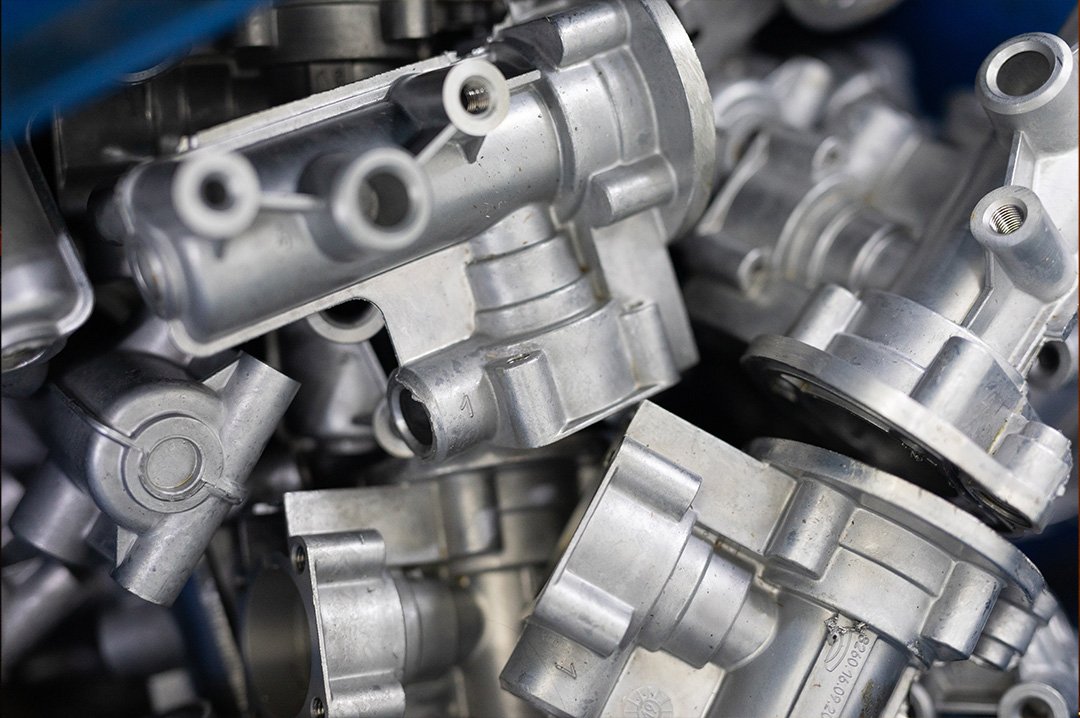
Aluminum casting is the production method of choice for industrial parts that require light weight, corrosion resistance and machinability. Thanks to multiple casting processes under one roof, aluminum parts can be produced by the method best matched to part geometry, mechanical requirements, surface expectations and production volume.
Bordomet evaluates every aluminum casting project against your technical drawings, material requirements and application needs. Our production organization supports project requirements from prototype work through to serial production — a single Turkish supplier from first sample to volume delivery.
Aluminum casting at Bordomet serves automotive, machinery, electrical equipment, energy systems and many other industrial applications. For ferrous parts, see our sand casting and investment casting services.
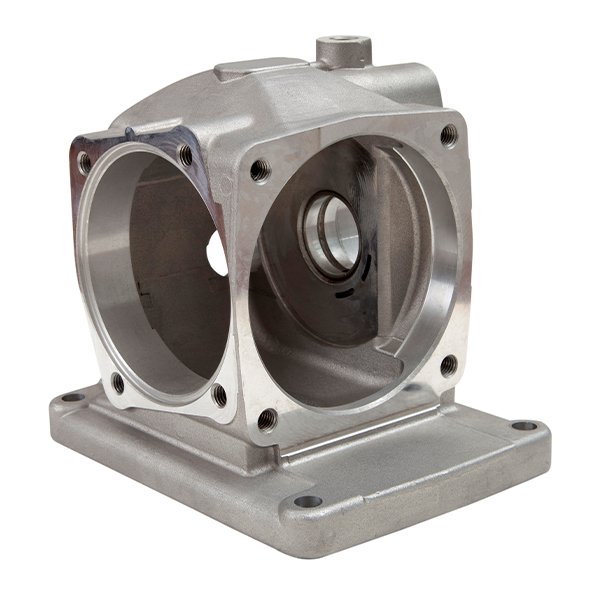
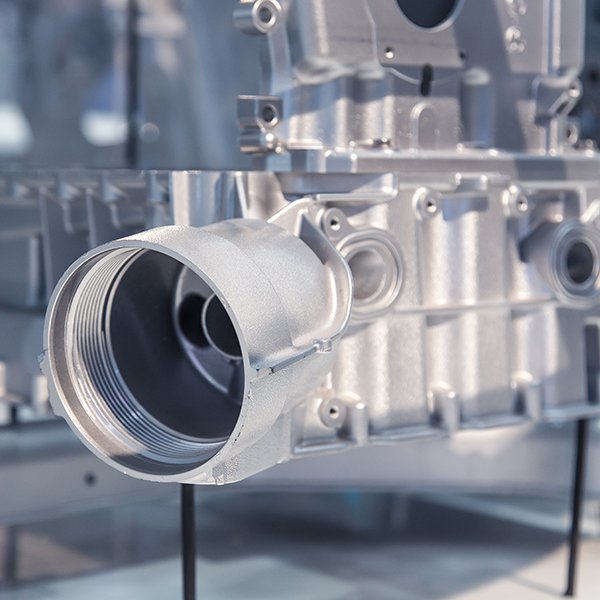
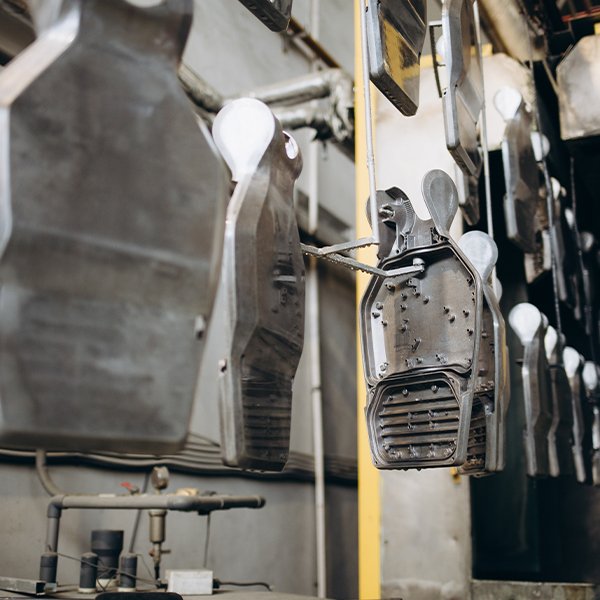
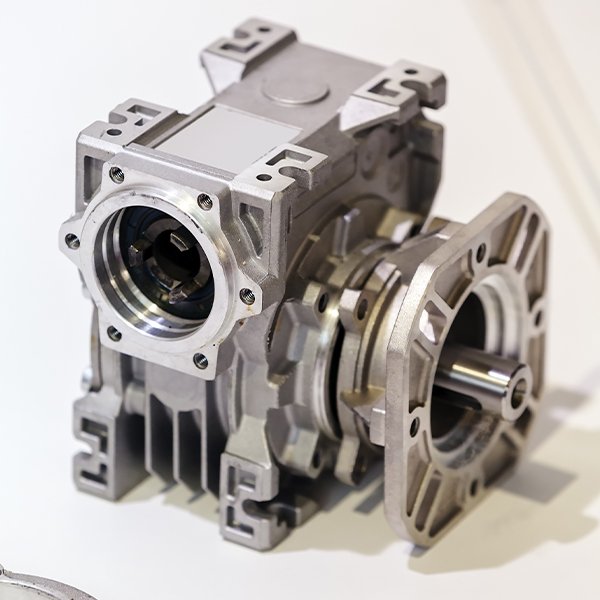
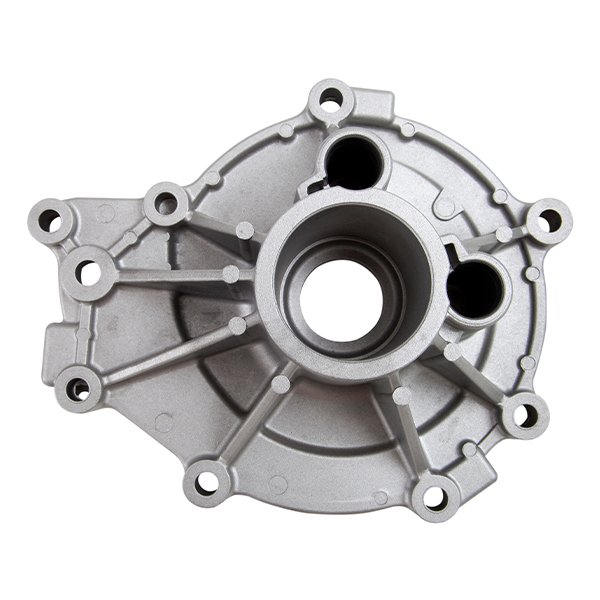
Our aluminum infrastructure covers sand casting, gravity (permanent mold) casting, low pressure die casting and high pressure die casting. The right process is selected per project based on part design, technical requirements and volume.

A flexible casting method for low-to-mid volume production and large parts.
Permanent metal molds deliver improved surface quality and dimensional consistency.
LPDC — controlled metal filling for applications where mechanical properties and part quality come first.
HPDC — high production efficiency for projects requiring high-quantity serial production.
Aluminum castings are produced across a wide range of sizes and weights, depending on the selected process, part geometry and technical requirements.
0.5 kg – 1,000+ kg part weight
50 mm – 2,500 mm+ part size
0.5 kg – 100 kg part weight
50 mm – 1,000 mm part size
1 kg – 80 kg part weight
100 mm – 1,000 mm part size
0.05 kg – 15 kg part weight
20 mm – 800 mm part size
Final production limits are evaluated per project, based on part geometry, alloy selection and technical requirements — send your drawing for a fast feasibility review.
Production is organized around project volumes, annual demand and delivery planning. Capacity and process flow vary with the chosen method, part geometry and technical requirements.
Bordomet operates with a monthly aluminum melting capacity of approximately 400 tons. Production is managed for serial continuity, process control and reliable delivery schedules — key for export customers.
Depending on project requirements, production is performed at various tolerance levels within ISO 8062. Surface quality generally ranges between Ra 1.6 μm and Ra 25 μm; final values are agreed per project based on part design and casting method.
Aluminum castings are produced in a range of EN AC alloys, matched to project requirements, mechanical expectations and the selected casting method. On request, equivalents to customer specifications, OEM standards and international norms are also evaluated.
Dimensional verification, material analysis, mechanical testing and process controls run throughout production. Our laboratory supports production verification, process continuity and traceability for international supply.
Coordinate measuring machines for high-accuracy dimensional inspection.
Spectrometers verify the chemical composition of every aluminum alloy heat.
Ultrasonic inspection of internal structure and casting integrity.
Hardness testers confirm material properties against specification.
Control processes are planned around production verification, process continuity and keeping technical requirements under control. Production is managed with a traceable, controllable structure that meets OEM technical requirements.